Nov 17, 2025
Factors That Affect the Performance of BOPP Packing Tape
The performance of packaging materials directly impacts product safety, operational efficiency, and cost control. In industrial and commercial environments, even minor packaging failures can result in damaged goods, delays, or increased handling costs. Understanding the factors that influence tape performance helps businesses make informed packaging decisions.
Several technical and environmental elements determine how effectively BOPP packing tape performs during sealing, storage, and transportation.
Adhesive Quality
Adhesive formulation is one of the most critical factors affecting tape performance. High-quality adhesive ensures a strong and consistent bond with packaging surfaces, preventing cartons from opening during handling or transit.
Reliable adhesive packing tape maintains adhesion over time, even when exposed to movement, vibration, or stacking pressure.
Film Thickness and Strength
The thickness of the BOPP film plays a key role in determining durability. Thicker films generally offer better tensile strength and resistance to tearing, making them suitable for heavier cartons and demanding packaging conditions.
Using appropriately specified packing tape helps maintain carton integrity and reduces the risk of seal failure.
Surface Compatibility
Packaging surfaces vary based on carton material, coating, and texture. Tape performance depends on how well the adhesive interacts with the surface it is applied to.
Proper surface compatibility ensures that packaging tape forms a secure seal without lifting, curling, or peeling over time.
Application Method
Correct application significantly affects tape effectiveness. Uneven pressure, improper alignment, or inconsistent sealing can weaken adhesion and compromise packaging security.
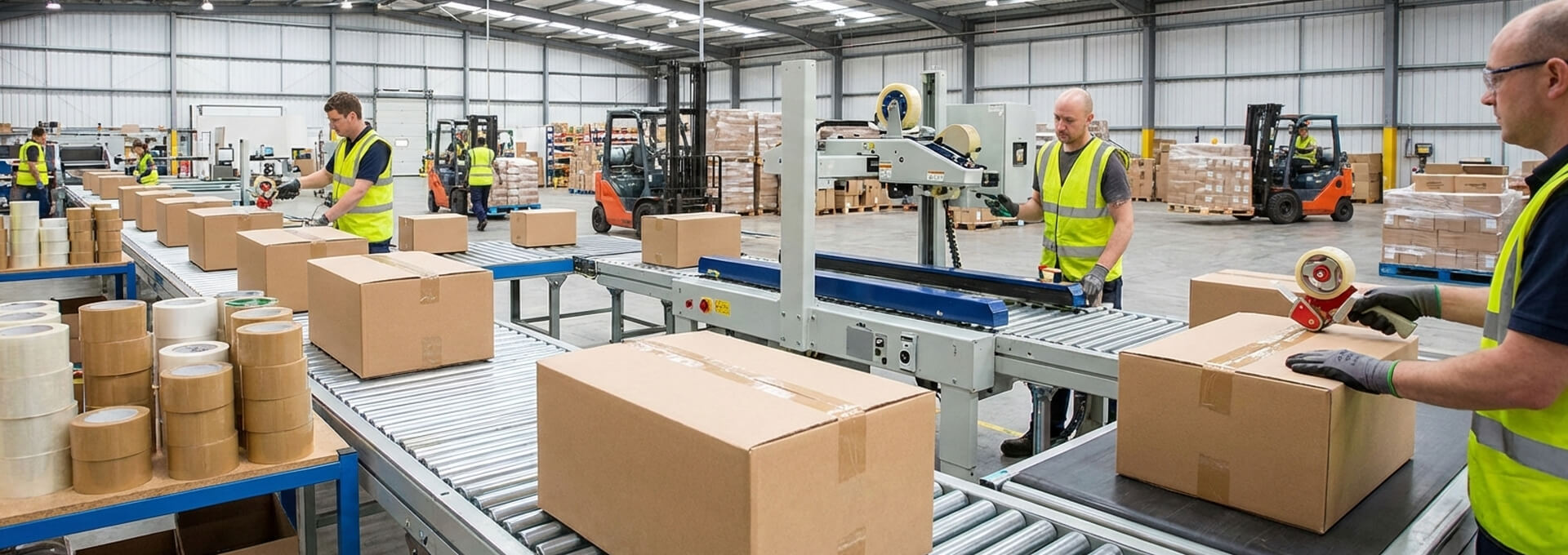
Whether applied manually or through automated systems, BOPP tape for packaging performs best when applied with uniform tension and pressure.
Environmental Conditions
Temperature and humidity influence adhesive behaviour. Extreme heat, cold, or moisture can reduce bonding efficiency if tape quality is inadequate.
High-quality BOPP packing tape is designed to perform reliably across varying environmental conditions, supporting safe storage and transportation.
Storage and Handling of Tape
Improper storage can reduce tape performance even before it is used. Exposure to dust, direct sunlight, or excessive heat can degrade adhesive properties.
Storing packing tape for shipping in clean, dry conditions helps preserve adhesive strength and usability.
Carton Weight and Load Stress
The weight of packaged goods directly affects the stress placed on tape seals. Heavier loads require stronger adhesive and film strength to maintain secure closure.
Choosing the right tape specification ensures consistent sealing performance across different packaging weights.
Consistency in Manufacturing Quality
Uniform manufacturing standards ensure predictable tape performance across batches. Inconsistent production can result in variations in adhesion, thickness, or durability.
Goodwill Adhesive Tapes focuses on maintaining consistent quality standards to support dependable packaging performance across industrial, commercial, and logistics operations.
Using professionally manufactured BOPP packing tape helps businesses achieve reliable sealing outcomes.
Conclusion
The performance of BOPP packing tape depends on multiple factors, including adhesive quality, film strength, application method, and environmental conditions. Understanding these elements allows businesses to select packaging solutions that deliver consistent results and reduce operational risks.
By choosing high-quality adhesive packing tape and applying it correctly, organisations can ensure secure packaging, protect goods, and maintain efficiency throughout the supply chain.